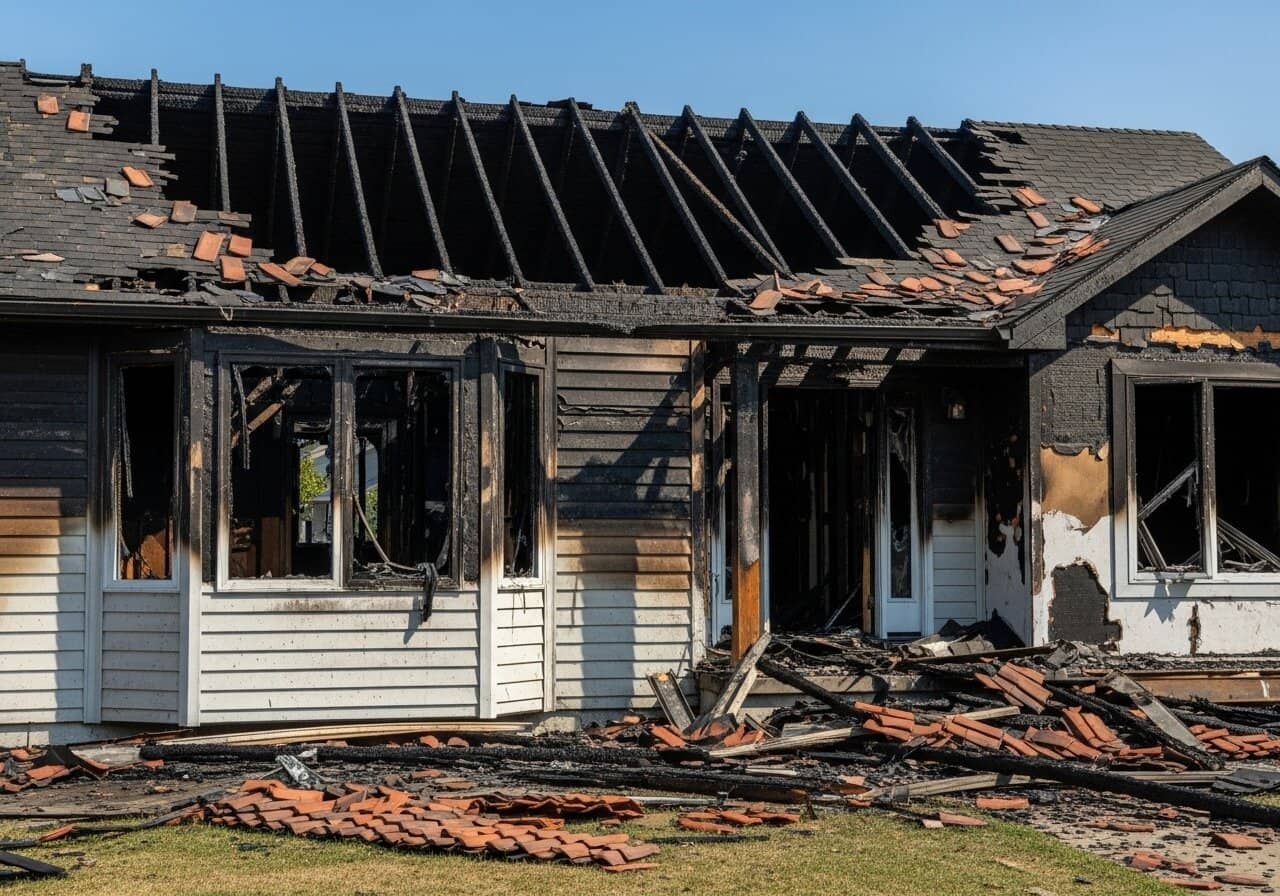
Certified Fire & Smoke Damage Restoration
Emergency board-up, soot removal, smoke odor elimination, and full reconstruction. Available 24/7 across Greater Philadelphia and South Jersey.
Fire Damage Restoration Near You
We serve communities across Greater Philadelphia and South Jersey. Find fire damage restoration in your area:
Our Fire Restoration Process
Emergency Board-Up & Securing
Immediate board-up and tarping to secure your property and prevent further weather damage.
Damage Assessment
Detailed documentation for insurance purposes and comprehensive scope of restoration needed.
Soot & Smoke Removal
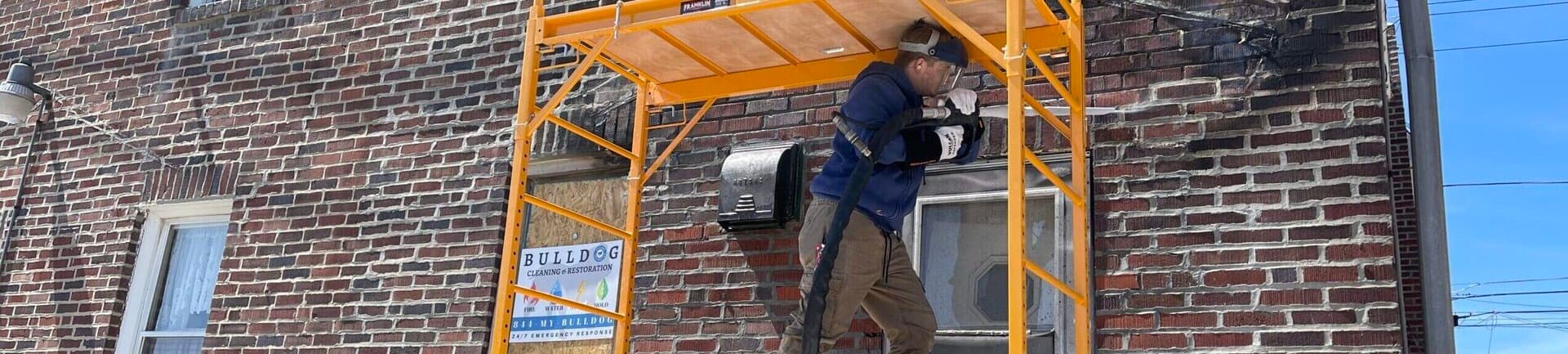
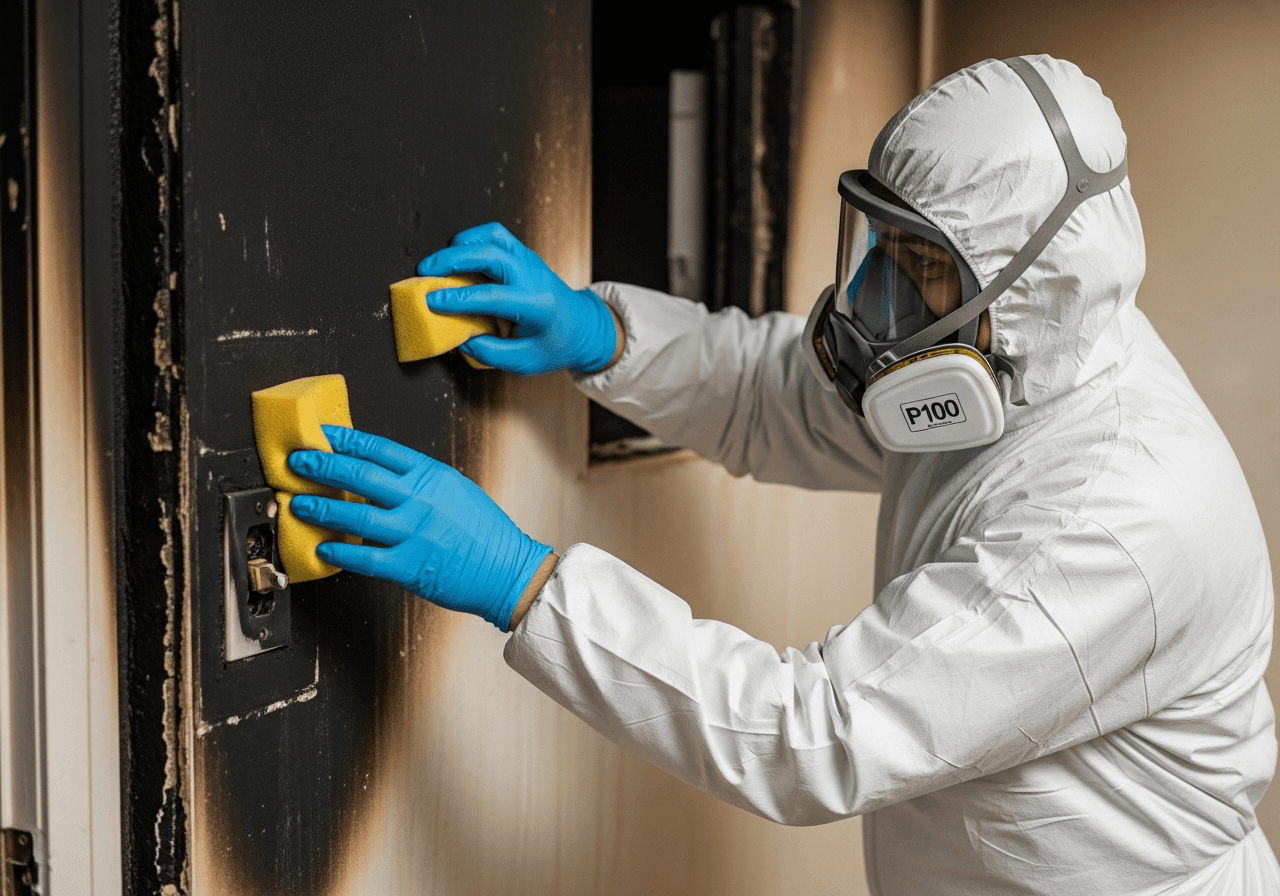
Specialized dry soot sponges and HEPA vacuuming remove soot from all affected surfaces.
Odor Elimination
Thermal fogging, ozone treatment, and air scrubbing eliminate smoke odor throughout the structure.
Structural Cleaning
Deep cleaning of walls, ceilings, flooring, and all structural components.
Reconstruction
Full rebuild of damaged areas, returning your property to pre-loss condition.
Why Soot and Smoke Damage Spread Fast
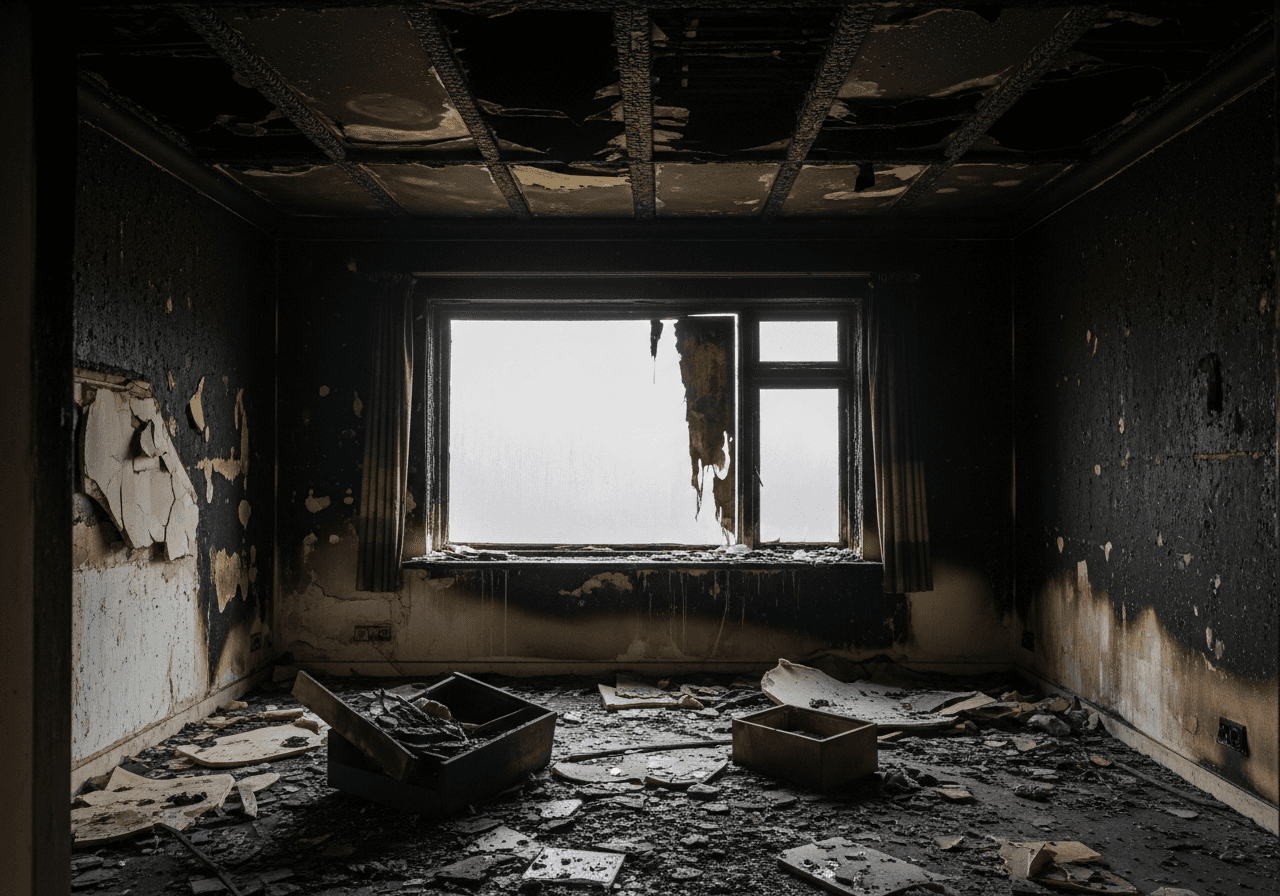
The fire is only the beginning. Smoke and soot are acidic and continue to damage your home long after the flames are out — etching glass, corroding metal, discoloring walls, and permanently staining surfaces within hours. The longer soot sits, the more it sets. This is why professional cleaning within the first 24–48 hours is critical to saving materials that would otherwise be lost.
Not All Smoke Damage Is the Same
Identifying the type of smoke is the first step to choosing the right cleaning method.
Wet smoke
From low-heat, smoldering fires. Thick, sticky, and pungent; smears easily and requires specialized cleaning.
Dry smoke
From fast, high-heat fires. Powdery and easier to wipe, but lodges deep into cracks and porous surfaces.
Protein residue
From kitchen fires. Nearly invisible but carries an intense, lasting odor that bonds to surfaces.
Fuel/oil soot
From furnace puff-backs. Greasy and staining; needs immediate professional attention.
Because each type needs a different approach, DIY efforts often set staining permanently — one reason professional cleaning matters most in the first hours.
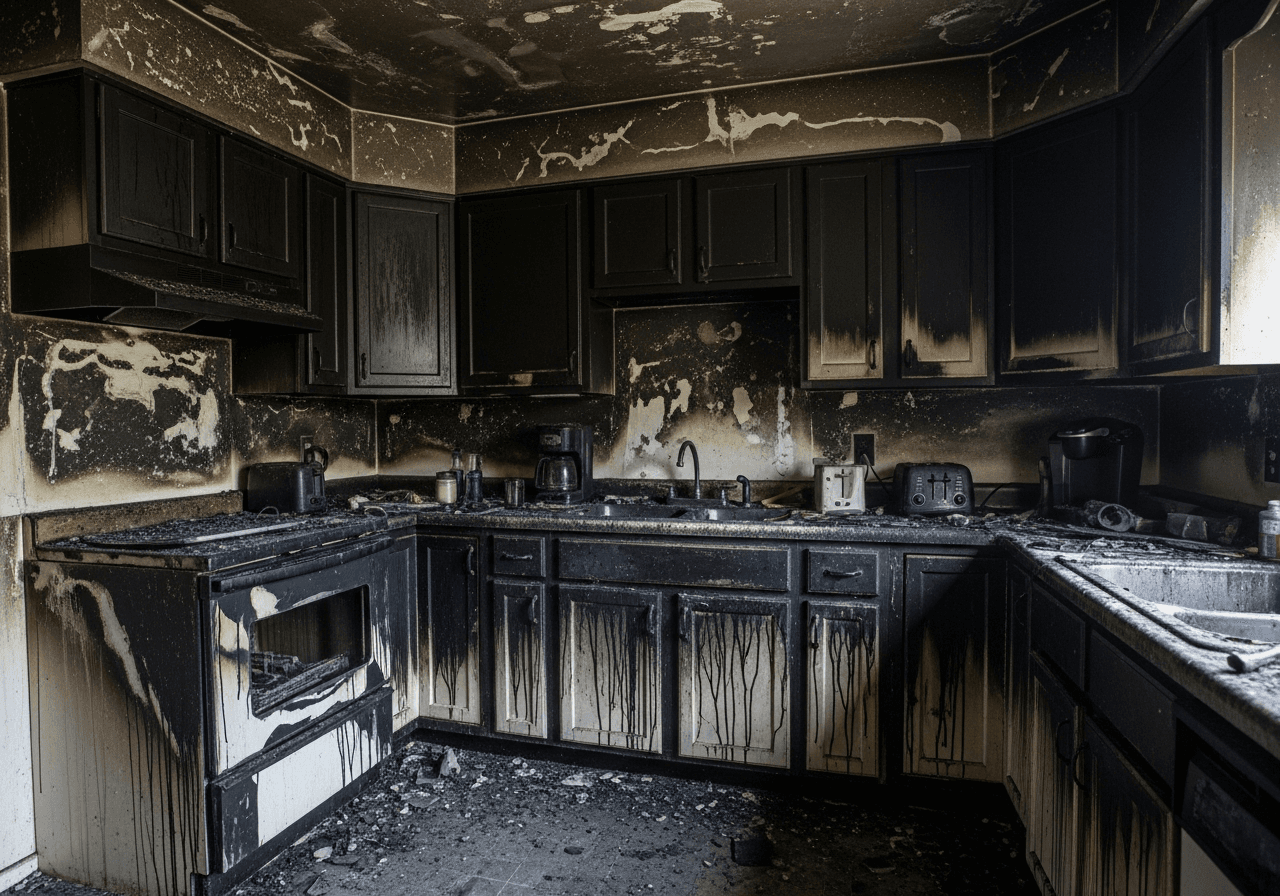
Common Causes of House Fires
Knowing how most home fires start is the first step to preventing the next one.
- Cooking and grease fires
- Electrical faults and overloaded circuits
- Space heaters and furnaces
- Unattended candles
- Smoking materials
- Clothes dryer lint buildup
- Faulty wiring in older homes
- Lightning strikes
The Hidden Health Hazards of Smoke & Soot
A fire-damaged home can keep affecting your health long after the flames are out. Soot and smoke residue are more than a cleanup problem — they're an air-quality hazard.
Soot is more than dirt
Fine soot particles are small enough to inhale deep into the lungs and carry carcinogenic compounds (PAHs) from burned plastics, synthetics, and building materials. Even a “small” fire leaves residue throughout the home through the HVAC system.
Lingering toxins and odor
Smoke pushes acidic, toxic residue into porous materials — drywall, fabric, insulation — where it keeps off-gassing VOCs and odor long after the fire. Masking the smell doesn't remove the hazard; it has to be cleaned or removed at the source.
Why you shouldn't re-occupy too soon
Children, the elderly, and anyone with asthma or heart conditions are especially sensitive to post-fire air. Until soot is professionally removed and the air is scrubbed, a fire-damaged home can keep affecting health. We make the space genuinely safe to return to — not just livable-looking.
Why You Shouldn't Clean Soot Yourself
The instinct after a fire is to start wiping things down — but soot is acidic and reactive, and the wrong cleaning method sets stains permanently. Wiping dry soot with a wet cloth smears it into surfaces; standard cleaners can react with residue and discolor walls and metals for good. Soot also spreads invisibly through ductwork and settles on everything.
Bulldog® technicians identify the soot type first — wet, dry, protein, or fuel — then match the right method (dry-sponge, HEPA, abrasive, or media) so we lift the damage instead of locking it in.
Your First Steps After a Fire — and Why Documentation Matters
What you do in the first hours after a fire protects both your safety and your insurance claim.
Do This First (Safely)
Document Everything for Your Claim
Once our crew arrives, we take over the documentation — soot and damage mapping, daily photo logs, and detailed reports built to support your insurance claim and stored in your client portal.
Smoke Odor Treatment & Deodorization
Smoke odor isn't a surface problem — it's embedded in porous materials, ductwork, and anywhere smoke traveled. Air fresheners and store-bought sprays only mask it, so the smell returns once they fade because the source is still there. Effective deodorization neutralizes odor at its source instead of covering it up.
We remove odor-bearing materials that can't be salvaged, then use professional deodorization — thermal fogging, ozone or hydroxyl treatment, and HEPA and activated-carbon air scrubbing — to break down smoke molecules at the molecular level. We also clean and treat the HVAC system and ductwork so it doesn't recirculate smoke odor back through your home after you move back in.
Verification: Surface Cleanliness & ATP Testing
"Looks clean" is not the same as "is clean." Soot residue can remain on a surface that appears wiped down, and that residue is what keeps corroding materials and off-gassing odor. Before we consider an area finished, we verify the result rather than relying on a visual check alone.
To confirm surfaces are actually clean, we can use ATP (adenosine triphosphate) testing. A swab is taken from a cleaned surface and read by a handheld luminometer in seconds; the lower the reading, the less residue remains. It gives an objective, documented data point that surfaces have been cleaned to a verifiable standard before reconstruction begins.
One Company From Extraction to Final Rebuild
Fire recovery has two distinct halves: cleaning and deodorizing what can be saved, then rebuilding what can't. When a separate cleanup vendor and contractor split that work, the seams show — gaps in the documentation, finger-pointing, and a slower claim. Bulldog handles the entire process under one roof, from emergency board-up through the final rebuild, so nothing falls through the cracks.
Mitigation & Cleanup
Water extraction, bulk soil and muck-out removal, and removal of unsalvageable materials to stop the damage from spreading.
Drying, Decontamination & Verification
Structural drying, antimicrobial treatment, odor neutralization, and documented moisture and ATP verification.
Reconstruction & Rebuild
Drywall, flooring, paint, and full buildback that returns your property to pre-loss condition.
When one team owns the entire job, you get a single point of contact, one documented insurance file, and no gap where work — or accountability — falls between a cleanup vendor and a separate contractor. It is faster, cleaner, and far easier on you. Learn more about our reconstruction services.
Transparent Pricing & Claims Process
Restoration is stressful enough without billing surprises. It's the same Integrity we bring to every job: transparent pricing, honest assessments, and a clear claims process — no surprises. You understand the scope and approve it before we proceed.
Technology & Your Client Portal
We pair certified technicians with the equipment and software that make restoration measurable — so decisions are based on data, not guesswork.
Questions about coverage or process? Contact our team or call (267) 982-5504.
From Our Blog
Fire & Smoke Damage Resources
Frequently Asked Questions
Can smoke and soot damage be fully cleaned?
Yes, with proper professional equipment and techniques, smoke and soot can be completely removed from most surfaces. Our IICRC-certified technicians use specialized soot sponges, HEPA vacuums, and odor-elimination technology to restore your property.
How long does fire damage restoration take?
Minor fire damage may take 1-2 weeks, while extensive damage requiring reconstruction can take several months. We work efficiently while maintaining quality, and coordinate directly with your insurance adjuster.
What is an emergency board-up service?
Emergency board-up protects your property after a fire by securing openings (windows, doors, holes) with plywood to prevent weather damage, theft, and vandalism. We offer 24/7 emergency board-up service.
Will my homeowners insurance cover fire damage restoration?
Standard homeowners policies generally cover fire and smoke damage. We work directly with all major carriers, document the loss with photos and soot/moisture readings, and support your claim from filing through final repairs so you have less back-and-forth with your adjuster.
Can you remove smoke odor permanently?
Yes. We use a combination of HEPA air scrubbers, thermal fogging, ozone treatment, and hydroxyl generators to neutralize smoke odor at the molecular level rather than masking it. Porous materials that cannot be fully treated are removed and replaced as part of the reconstruction phase.
Do you handle reconstruction after fire damage?
Yes. Bulldog Cleaning & Restoration is a full-service restoration and reconstruction contractor. We handle the entire process — emergency response, structural cleaning, smoke and soot remediation, and reconstruction — so you have one point of contact from the day of the fire through final walk-through.
How quickly should I act after a fire?
Within the first 24-48 hours. Soot is acidic and continues to etch metals, discolor walls, and corrode electronics the longer it sits. Calling us immediately, even before the insurance adjuster arrives, dramatically reduces secondary damage and total restoration cost.
Is it safe to stay in my home after a fire?
Often no. Even after the fire is out, soot and smoke residue affect air quality, and there may be structural or electrical hazards. We assess safety first and coordinate emergency board-up so your property stays secure while you stay elsewhere if needed.
Can my furniture, electronics, and belongings be saved?
Many can. We provide contents cleaning and pack-out services — soot-damaged electronics, furniture, documents, and textiles are often recoverable with specialized cleaning if they are treated before corrosion sets in.
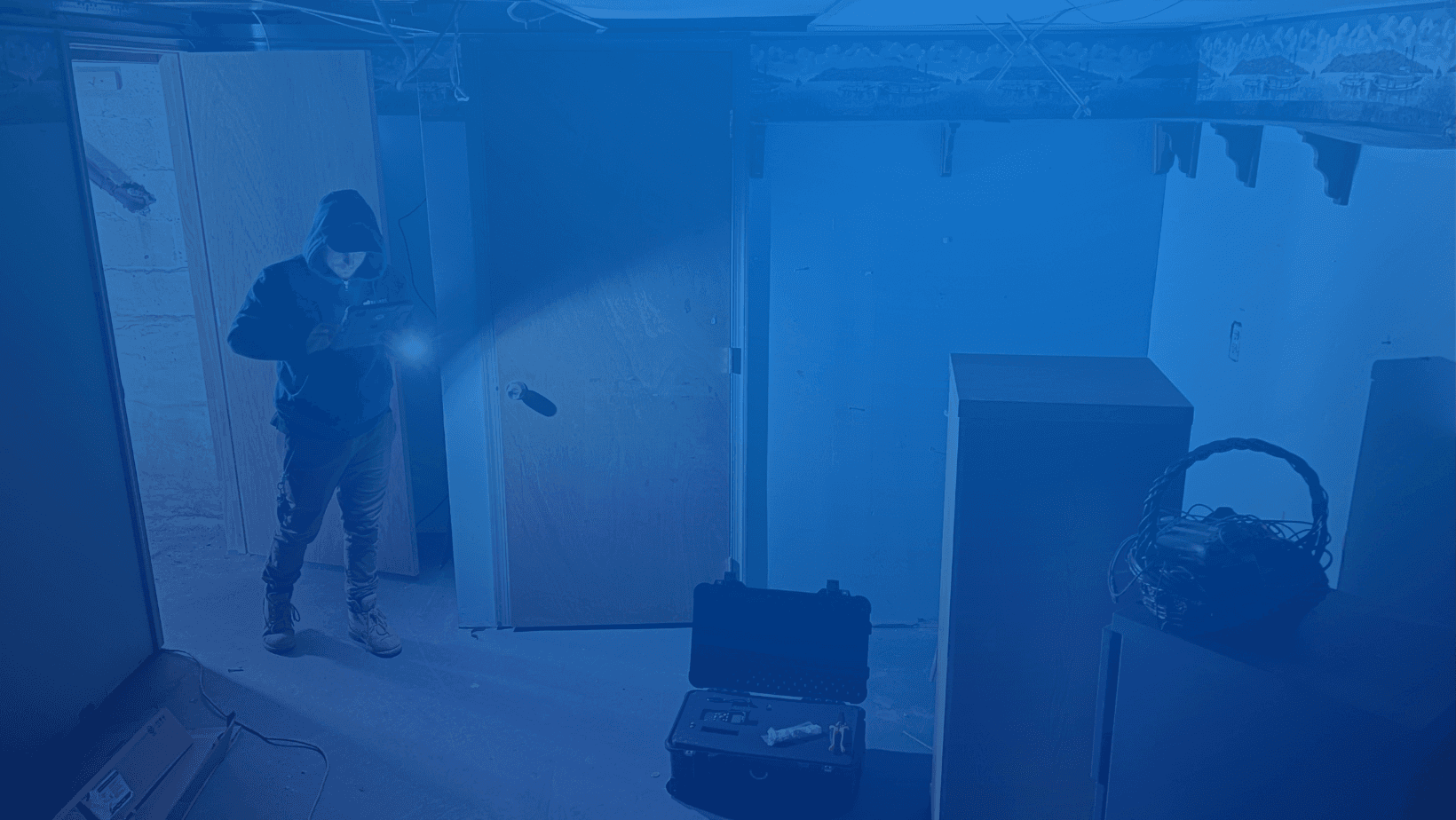
Fire or Smoke Damage? Call Now.
Our IICRC-certified team responds 24/7 to secure and restore your property after fire damage.
Average response time: 47 minutes • Available 24/7/365